 English
 Русский
 Bahasa Indonesia
 Bahasa Malay
 ไทย
ไทย Español
 Deutsch
 Български
 Français
 Tiếng Việt
 中文
中文 বাংলা
বাংলা हिन्दी
 Čeština
 Українська
 Română


Constellation Energy: revival from obscurity
Constellation Energy long struggled to make its aging nuclear plants profitable; reactors were widely seen as outdated. The data‑center boom changed that fundamentally. Hyperscalers need massive, nonstop power, and tech giants began buying electricity from nuclear plants in advance. That demand kick-started mothballed reactors, delivered multibillion‑dollar revenues to Constellation, and restored nuclear power’s strategic relevance.
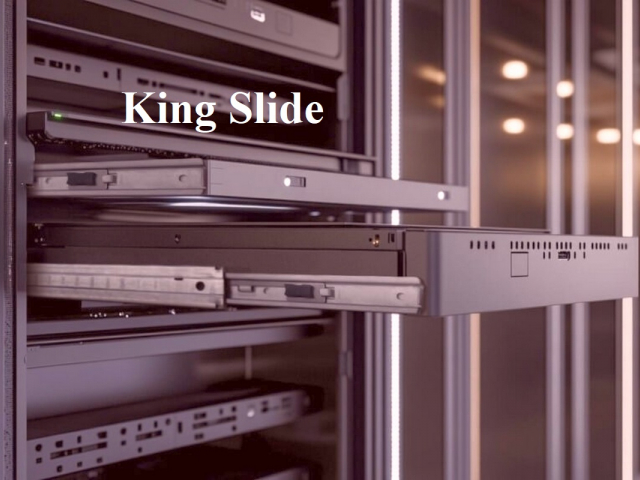
King Slide: kitchen slides turned server rails
Taiwan’s King Slide has made ordinary drawer slides for kitchens and office desks for decades. In August 2026, its 85‑year‑old founder Lin Tsung‑chi topped Taiwan’s richest list with a $19.5 billion fortune. The secret: new server racks for Nvidia GB200 AI cards weigh over a ton, and standard fittings failed during service. King Slide adapted its ultra‑durable furniture rails for data‑center use, delivering smooth sliding mechanisms for heavy compute modules.
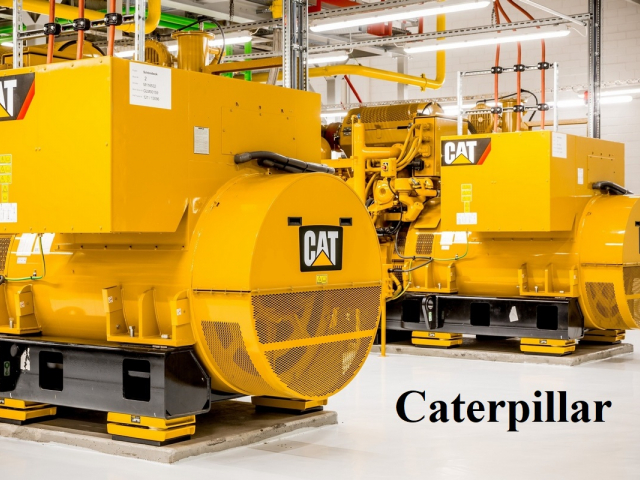
Caterpillar: diesel for model training
American industrial giant Caterpillar, long synonymous with yellow excavators and bulldozers, found an unexpected growth driver in heavy industrial diesel generators. Training a large language model can cost tens of millions, and even a brief power hiccup can wipe out days of work. To insure against outages, tech firms have been buying Caterpillar generators en masse to keep data centers running through blackouts.
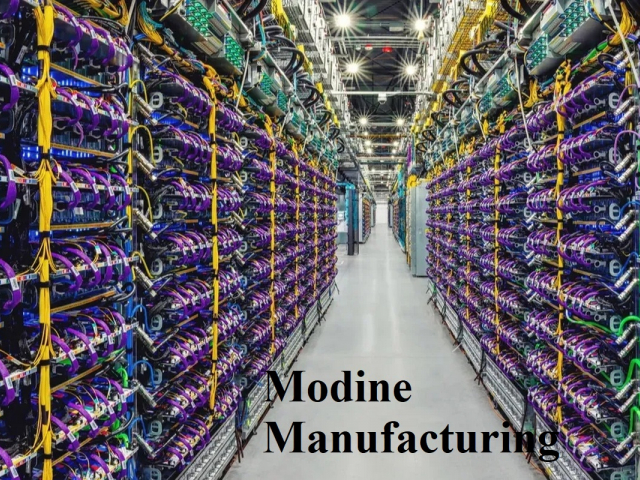
Modine Manufacturing: from tractors to sterile racks
Modine, a century‑old US company originally focused on cooling systems for tractors, heavy trucks and industrial plants, spotted an opportunity when fan‑based cooling reached its limits for densely packed AI chips. Modine repurposed proven heat‑exchanger technology for data centers; the shift from oily automotive environments to sterile server halls turned into a highly profitable transformation.
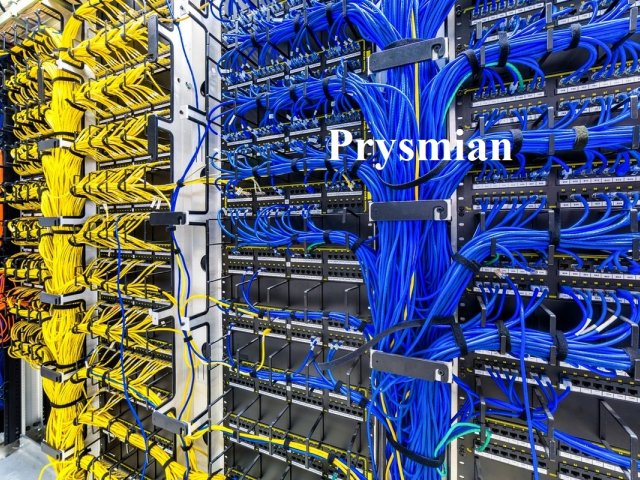
Prysmian: nervous system of AI farms
Italian Prysmian historically produced power cables, but the real chokepoint for supercomputers proved to be physical connectivity between racks — low‑latency links that enable data exchange among hundreds of thousands of processors. Prysmian’s factories were overwhelmed with orders for ultra‑pure copper conductors and specialized fiber‑optic cable. Traditional cable manufacturing has thus become the nervous system of the neural‑network era.
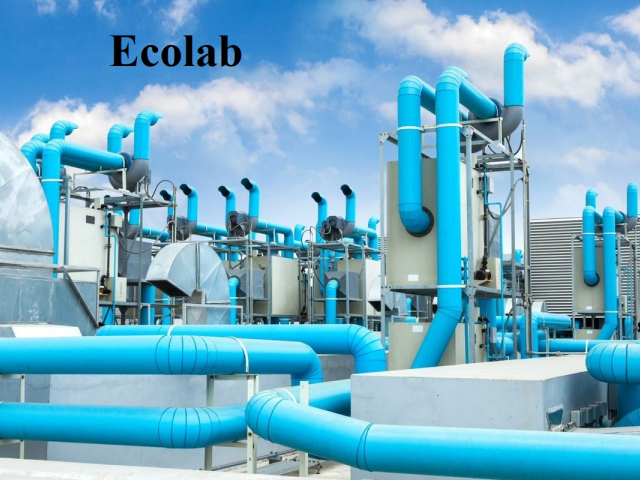
Ecolab: chemistry for circulated cooling water
Ecolab has long sold disinfectants, industrial cleaning chemicals and water‑treatment systems for food processing and hospitality. AI opened a new market: data centers circulate millions of liters of technical water through cooling loops. Without chemical treatment, that water quickly fouls pipes with scale, corrosion, and biological deposits. Ecolab’s solutions turned water treatment into a high‑tech, high‑margin business crucial for reliable cooling.
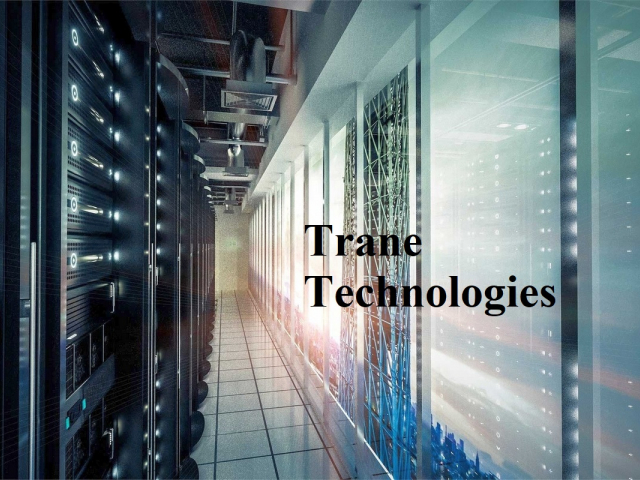
Trane Technologies: dream HVAC contracts
Trane Technologies made its name on industrial HVAC and climate systems for malls, hospitals, and offices. Next‑generation processors are extremely sensitive to temperature and humidity — any microclimate failure can damage hardware and cause enormous losses. Traditional HVAC makers were uniquely positioned to supply robust air‑cooling systems for vast machine halls and won contracts they never could have dreamed of before.