 English

 Русский
 Bahasa Indonesia
 Bahasa Malay
 ไทย
 Español
 Deutsch
 Български
 Français
 Tiếng Việt
 中文
 বাংলা
 हिन्दी
 Čeština
 Українська
 Română



Meteoric — climate managers
Dense cloud cover can cut solar plant output by 80%, creating sharp swings in power grids. American startup Meteoric offers a technological fix: disperse clouds with swarms of drones. The drones penetrate clouds and act on water droplets via mechanical and chemical means, reducing droplet density and reflectivity. Cleared corridors then allow sunlight to pass through. Such targeted correction increases electricity generation by 10–30%, turning unmanned aircraft into climate managers.

Laser shield against mosquitoes
Chinese company Photon Matrix Lab has started serial production of portable devices that destroy mosquitoes with high‑precision lasers. The device combines lidar, millimeter‑wave radar, machine vision, and an infrared or blue laser. Sensors instantly detect an insect in the air. Algorithms calculate its trajectory in fractions of a second and incinerate the target. Against a growing insect control market worth billions of yuan, the gadget could become a top seller—it automates domestic protection and turns it into an autonomous technological shield.
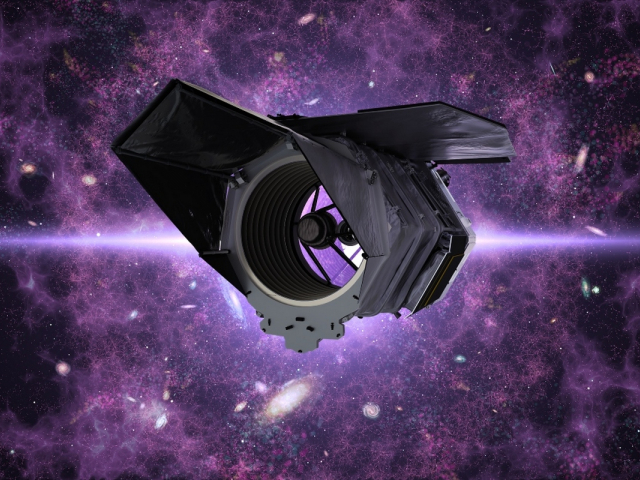
Nancy Grace Roman opens new era
NASA’s new flagship astrophysics project, a $4.3‑billion observatory, successfully launched on a SpaceX Falcon Heavy. The Nancy Grace Roman Space Telescope separated from the upper stage and is heading for the L2 Lagrange point, 1.6 million kilometers from Earth. The three‑month transit will position the telescope to study the mysteries of dark matter and dark energy. Scientists expect Roman to discover at least 100,000 new exoplanets during its mission and, for the first time, obtain direct, detailed images of many of them — opening a new era in cosmic exploration.

South Korea’s digital breakthrough
South Korea announced a large national program, “AI for All,” turning generative neural networks into a free public resource. The government joined forces with three leading telecommunications consortia, supplying them with 512 latest‑generation Nvidia B200 accelerators and covering operating costs. Through an integrated AI platform, citizens will be able to book medical appointments, apply for housing, and receive tax consultations. Beta testing of the world’s first government AI assistant starts in September, with full launch planned for late 2026.
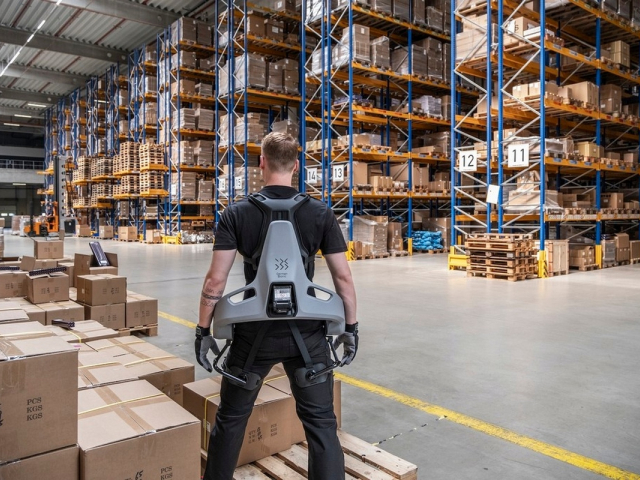
Superpower for worker
Factories and logistics hubs are widely deploying AI‑controlled active exoskeletons that amplify human physical capabilities. Electric actuators and pressure sensors detect micro‑muscle movements milliseconds before the operator acts, boosting human strength by an order of magnitude. A worker can hold a 50‑kilogram tool for hours or lift heavy components without strain on the spine or joints. The technology has ceased to be science fiction and has become a safety standard: the person remains the decision-maker while gaining the endurance and power of heavy machinery.
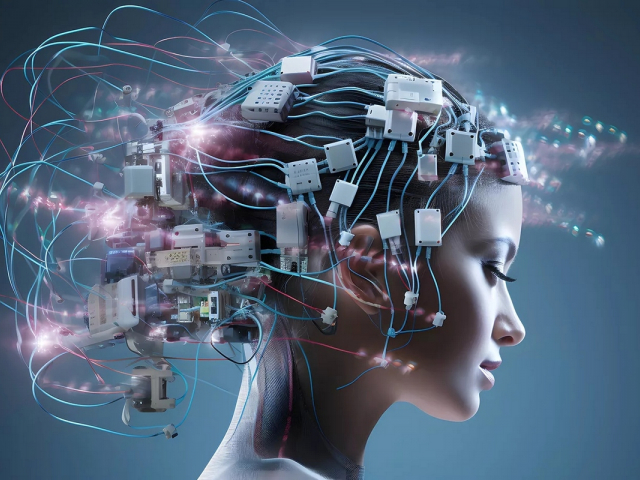
Neurointerfaces — no longer fantasy
Implantable neurointerfaces have advanced to direct decoding of human thought into digital speech. Implant chips with thousands of microelectrodes read motor and speech neuronal activity in the brain and stream signals to an external AI processor. Patients who have lost the ability to speak can control cursors, synthesize a natural‑sounding voice, and “speak” at speeds comparable to normal typing. The technology closes the gap between human biochemistry and the digital environment, restoring autonomy and expanding communication possibilities.
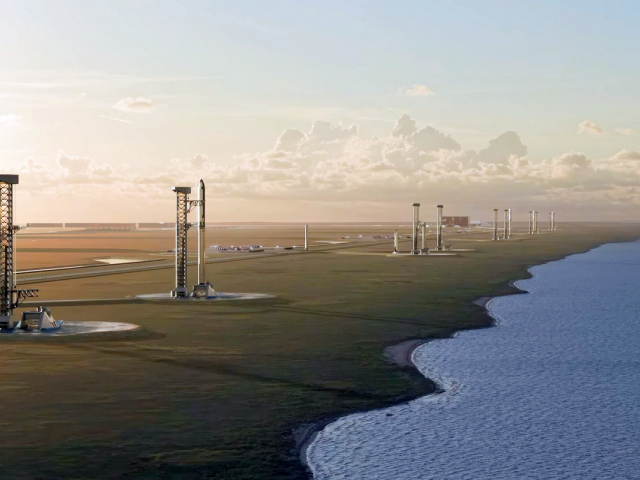
SpaceX megabase for Artemis
SpaceX announced plans to build an enormous $100‑billion spaceport in Vermilion Parish, Louisiana. The second Starbase will feature ten autonomous launch pads, its own plants to produce methane‑oxygen propellant, and an autonomous power infrastructure. The megacomplex will enable Starship launch cadences in the thousands per year—necessary to support Starlink orbital clusters, NASA’s Artemis lunar program, and autonomous space data centers housing AI processors.